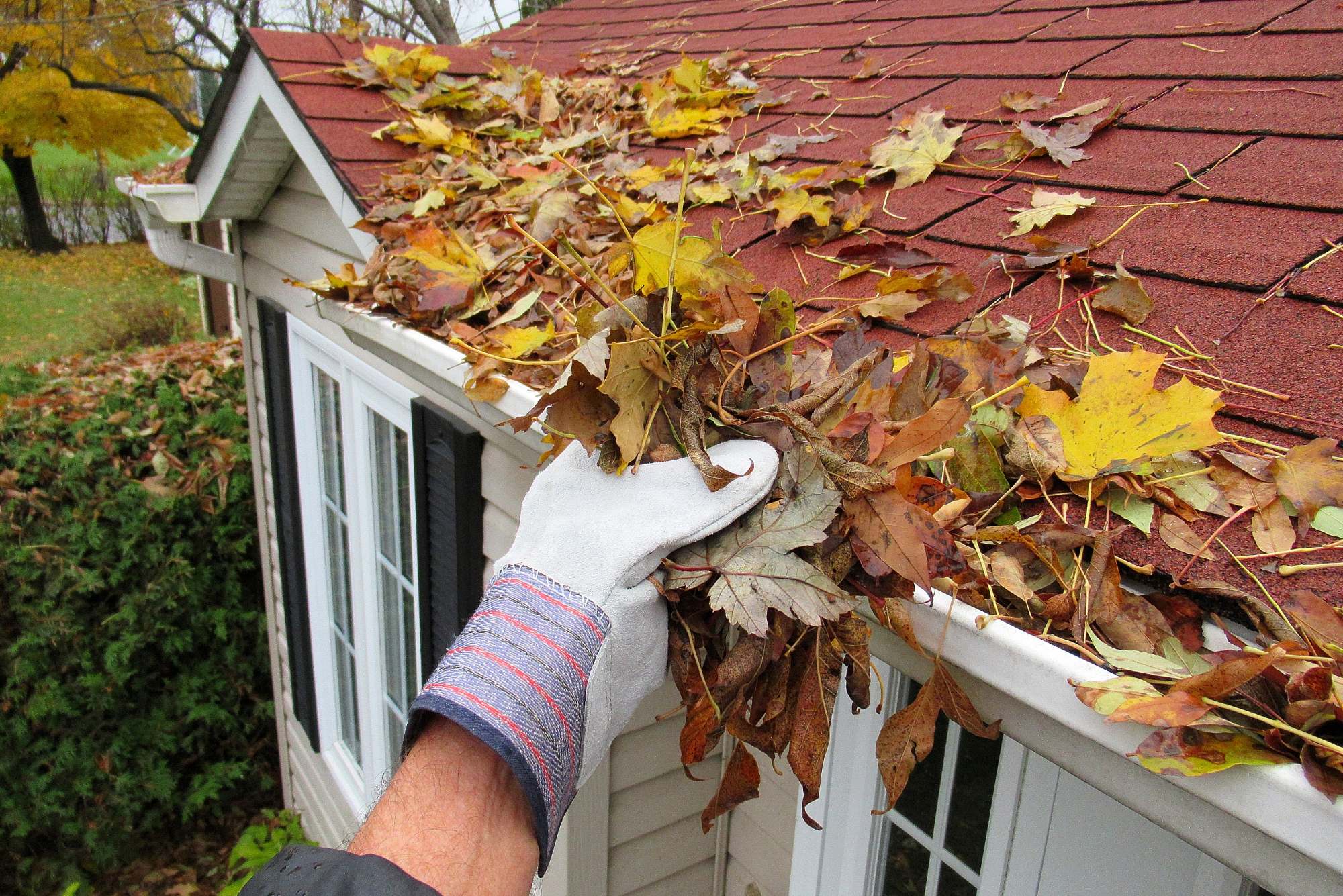
Toronto’s autumn brings crisp air, colourful leaves, and rainy days. It’s beautiful, but for your gutters, it can get messy fast. Dead leaves, twigs, nesting debris and sediment accumulate through summer and early fall, and if gutters and downspouts are clogged, that means water may not drain properly. Left unchecked, it can lead to ice dams, foundation damage or winter headaches. Doing some fall gutter maintenance now saves you trouble later.
Why Fall Is the Best Time

- Leaves are falling, and rain is more frequent than in summer. As debris piles up, it blocks water flow just when you need gutters working hardest.
- Freezing nights after wet days set up a risk of ice forming where water is trapped. Clean gutters make sure that rainwater moves away from roof edges and foundation, not pooling and freezing.
- Mid-to-late fall means fewer insects or birds nesting, so you’re less likely to disturb wildlife while cleaning. Also, weather is milder than in winter, so work tends to be safer and more comfortable.
Methods That Make Gutter Cleaning Easier
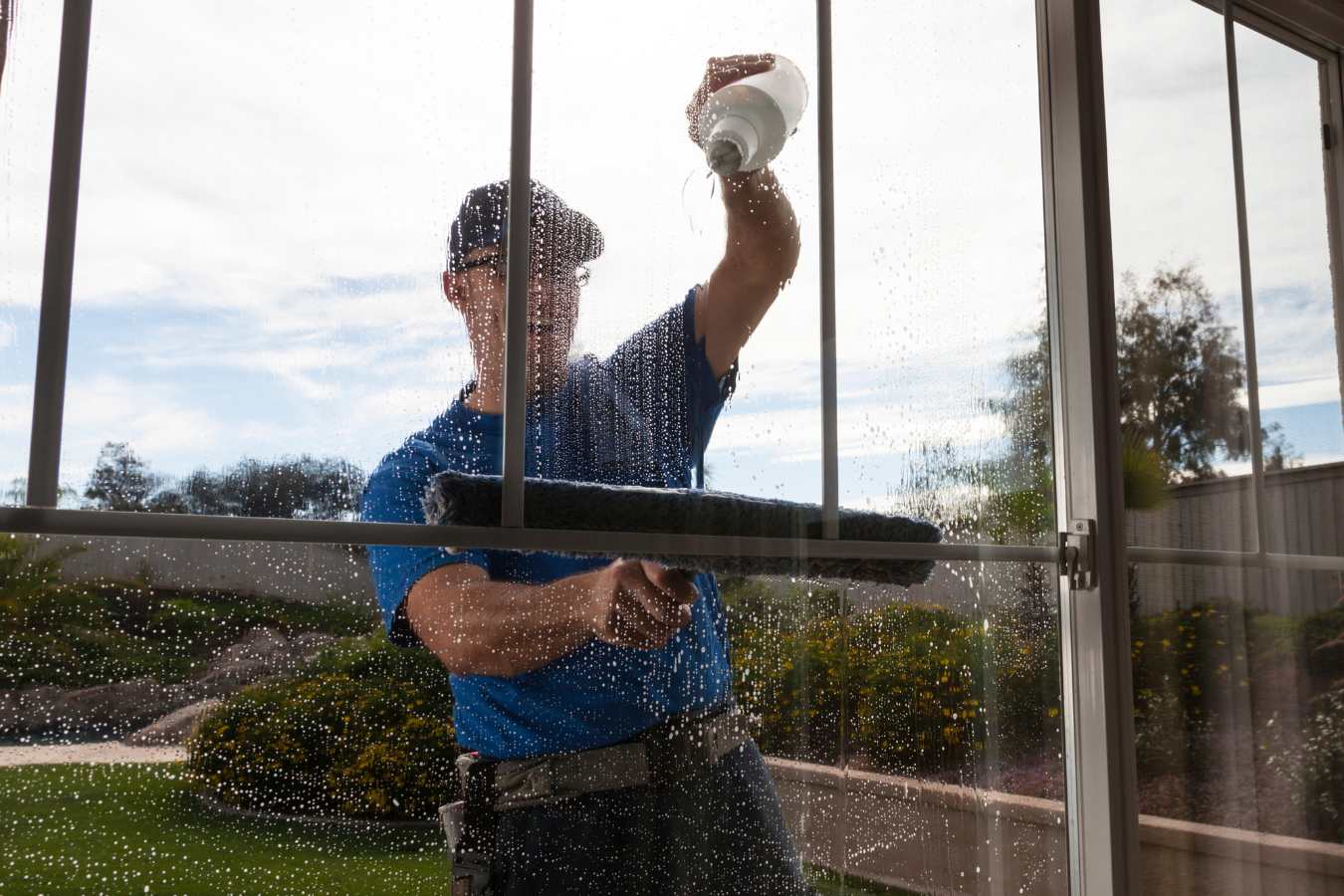
You don’t always need to climb onto the roof. Depending on your home’s layout, there are several safer ways to clear your gutters from the ground or via extension tools, plus more hands-on options for thorough work.
From the ground
If you have tree cover and long-reaching branches, consider tools like a garden hose with a curved extension, or a wet/dry vacuum with a gutter attachment. These allow you to reach into eavestroughs safely, flush out debris, and see whether water is flowing properly.
Using an extension ladder
For a full inspection and deeper cleaning, sometimes seeing from above helps. If you use an extension ladder, ensure it’s stable and balanced, use stabilizer arms or stand-offs and have the right gloves, footwear and tools handy. Use a tarp or drop cloth below to catch debris, flush gutters with water after removing larger buildup, and check gutter hooks or fasteners while you’re up there.
Additional tools to consider
A leaf blower (lightweight or cordless) can help clear out dry material. Low-powered pressure washers can work well if gutters are badly clogged or very dirty, but use caution so you don’t damage the eavestrough or roofline.
Preventing Clogs and Reducing Maintenance
Cleaning once a year helps a lot, but doing small preventive tasks extends how long gutters stay clean and how well they work:
- Trim tree branches near the roof so fewer leaves fall directly into gutters.
- Use gutter guards or leaf filters if your roofline is heavily treed. They help block large debris while letting water flow.
- Add a leaf catcher or similar device at the downspout’s base. That makes it easier to remove debris without climbing.
- Before winter sets in, flush water through the downspouts to ensure there are no hidden blockages; confirm water exits freely.
When Pro Help Makes Sense

For many houses in Toronto, especially single-storey homes, gutter cleaning is something a homeowner can handle with good tools and safe setup. But there are times when calling in professionals is the safer or better option:
- If your house has multiple storeys or steep roof sections.
- If gutters are inaccessible or very high without suitable ladder support.
- If you spot signs of damage (bent brackets, sagging sections, leaking seams) while cleaning.
- If you want to install guards or filters properly, professionals have the hooks, fasteners, and experience.
Final Thoughts
Autumn means change, cooler weather, falling leaves, and more rain. But it’s also an opportunity to protect your home before winter pressure arrives. Keeping gutters and downspouts clear means rainwater will have a pathway off your roof, away from your foundation. It prevents buildup, avoids winter freezing problems, and keeps your home looking well cared for.
If climbing ladders isn’t appealing, or you see signs of gutter damage, reach out to Toronto Window Cleaner. We’ve helped many homeowners in the GTA stay ahead of costly gutter issues and keep drainage flowing. Contact us for a quote and make sure your gutters are ready for winter.